A blood clot is often part of the body’s natural healing process. However, when a clot forms unnecessarily or blocks blood flow, it can become life-threatening. Recognizing warning signs early is essential.
1. Swelling (Deep Vein Thrombosis – DVT)
Sudden swelling in one arm or leg—especially after surgery, long travel, or extended immobility—may signal a deep vein thrombosis.
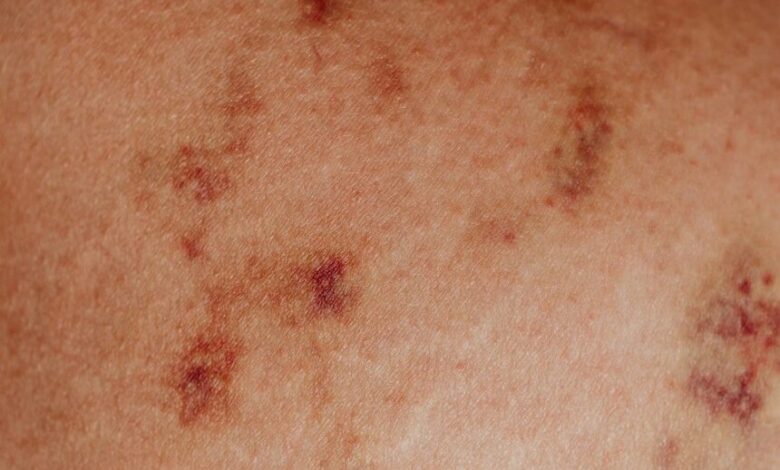
2. Skin Color Changes
Redness, bluish discoloration, warmth, or visible red streaks in a specific area can indicate inflammation and possible clot formation.
3. Pain
A clot blocking circulation in a limb can cause persistent pain, tenderness, or cramping, often in the calf or thigh.
4. Breathing Problems (Possible Pulmonary Embolism)
If a clot travels to the lungs, symptoms may include sudden shortness of breath, chest pain, coughing (sometimes with blood), dizziness, or fainting. This is a medical emergency—seek help immediately.
5. Rapid Heartbeat
A clot in the lungs can reduce oxygen levels, causing the heart to beat faster to compensate.
6. Speech or Vision Changes
Clots affecting the brain may cause sudden weakness, difficulty speaking, blurred vision, seizures, or confusion—possible signs of a stroke.
7. Abdominal Symptoms
Clots in intestinal veins can cause severe stomach pain, nausea, vomiting, diarrhea, or blood in the stool.
8. High Blood Pressure & Kidney Issues
Kidney clots may lead to high blood pressure, leg swelling, blood in urine, or breathing problems.
⚠️ This content is for informational purposes only and is not a substitute for medical advice. If you notice any of these symptoms, contact a healthcare professional immediately.