How Stress and Diet Affect Chin Hair Growth in Women

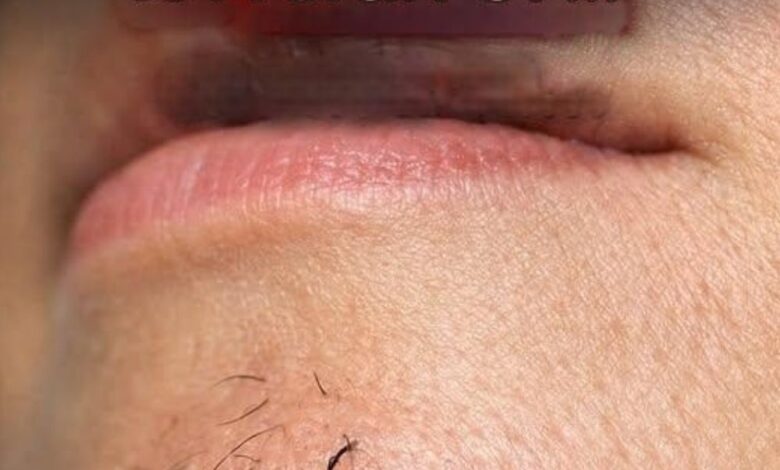
Chin Hair in Women: What Your Body Might Be Telling You
Chin hair growth in women is often linked to hormones, but everyday habits like stress and diet also play a big role. While a few hairs are normal, sudden or excessive growth may signal imbalance.
1. Stress and Hormones
Chronic stress raises cortisol, which can disrupt hormone balance. This may increase androgen activity—hormones that stimulate hair growth—leading to thicker or darker chin hair over time.
2. Diet Matters
High sugar and refined carbs can spike insulin, which may boost androgen levels. This is commonly seen in Polycystic Ovary Syndrome. A balanced diet with fiber, healthy fats, and protein helps stabilize hormones and reduce inflammation.
3. Nutrient Deficiencies
Low levels of vitamin D, zinc, or iron can affect hormone regulation. While not a direct cause, deficiencies can make symptoms more noticeable.
4. Lifestyle Habits
Poor sleep, inactivity, and ongoing stress can worsen imbalance. Regular exercise, good sleep, and stress management can help restore hormonal stability.
5. When to See a Doctor
If chin hair appears suddenly, becomes excessive, or comes with acne, weight changes, or irregular periods, seek medical advice.
Bottom line: Small daily habits have a big impact. Managing stress and eating well can help keep your hormones—and your body—in balance.