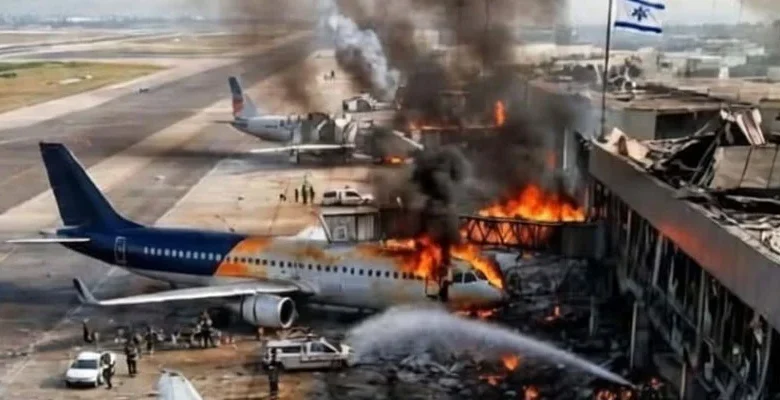
When breaking news appears in the middle of the night, people don’t feel it as policy first—they feel it as dread. A sudden alert, a military update, a few scattered details, and ordinary spaces begin to feel unfamiliar. Phones light up, families call each other, and the silence between updates becomes heavy with uncertainty.
This reflects the hidden human cost of war reporting. Before facts are confirmed, fear already takes hold. Military events are not just geopolitical—they are deeply personal for those waiting, watching, and worrying about loved ones.
In the early hours after major operations, especially in tense regions like Israel, information is often incomplete. Rumors, anonymous sources, and social media speculation can spread faster than verified facts, shaping perceptions before the full picture is clear.
That’s why restraint in reporting matters. Early narratives can be inaccurate or misleading, and even events later seen as strategic successes may carry significant human cost and conflicting accounts. When reporting presents certainty too soon, it risks losing credibility.
The deeper message is not about amplifying drama, but about acknowledging uncertainty. Living through those first moments—filled with fear, questions, and waiting—is part of the real story. Honest reporting that distinguishes between what is known and what is still unclear ultimately serves people better than sensational headlines.