After Seeing Our Baby for the First Time, My Husband Started Sneaking Out Every Night, So I Followed Him One Night

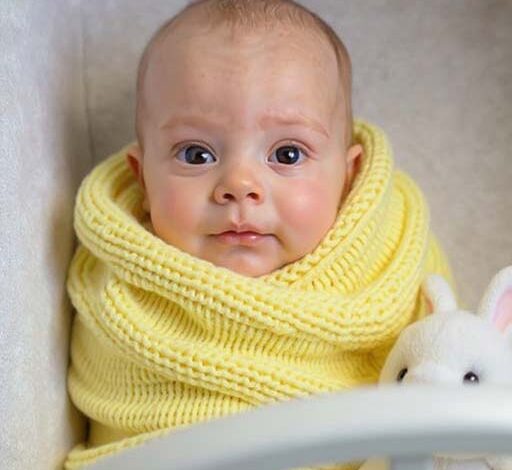
The day our daughter was born was meant to be perfect. Instead, it shattered everything.
After a traumatic 14-hour labor where I nearly bled out, I woke to our newborn in my arms—beautiful, with dark hair like mine. I turned to my husband Caleb, expecting joy. He stood frozen, pale, staring at her.
“She doesn’t look like me,” he whispered.
I laughed it off—newborns change—but he backed away and left the room. He didn’t return that night.
In the weeks that followed, Caleb withdrew completely. He wouldn’t hold her, wouldn’t help. He barely looked at her. At night he’d vanish for hours, claiming he needed air. I followed him once: he was at a paternity testing clinic.
He’d secretly tested our daughter because he believed I’d cheated.
I was devastated—I’d never betrayed him—but I said nothing and waited.
Then the clinic called the house. I answered. The results were conclusive: no biological relation.
I collapsed, convinced my world was over… until a horrifying thought hit me. The hospital.
I went back. The head nurse turned white when I explained. That night, two premature girls had been born minutes apart, briefly placed in the same recovery area. A labeling error. A switch.
Our real daughter was living two miles away with the Andersons. The baby I’d nursed, rocked, and loved for three months belonged to them.
DNA confirmed it. The girl I’d carried had Caleb’s eyes; the one I’d raised had mine in every way that mattered.
The hospital begged us to switch back. Legally, emotionally—it felt impossible.
Caleb confessed everything: the doubt, the guilt, the terror after almost losing me in childbirth. He’d convinced himself the baby was proof of betrayal because facing the alternative—that something had gone wrong at the hospital—was too much.
We cried, we fought, we grieved.
In the end we did switch, slowly, with counseling and shared visits. We brought our biological daughter home. The Andersons took theirs.
But we never closed the door. The girls are “hospital sisters” now—growing up together, birthdays shared, photos side-by-side.
Caleb is the father he always promised to be: tender, present, humbled. Some nights he still whispers apologies to me in the dark.
Love isn’t DNA. It’s the 3 a.m. feedings, the first smile you earned, the heart that learned to beat for a child who needed you.
We almost lost each other in that storm.
Instead, we learned how fiercely we could hold on.