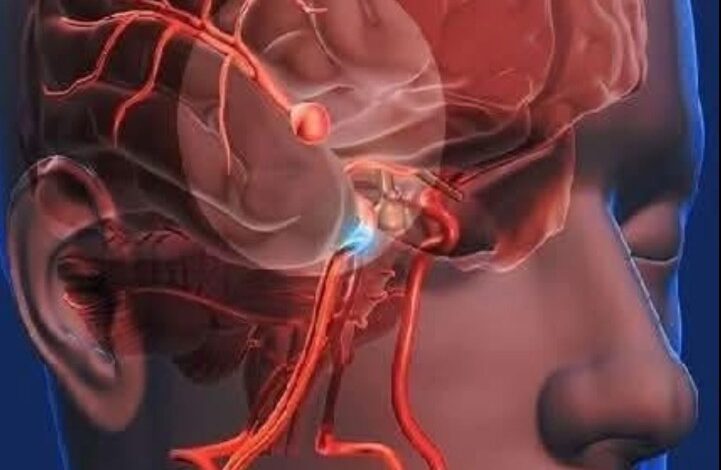
An Aneurysm is often misunderstood because it can stay silent for years. But knowing the facts can save lives.
Myth 1: Only older adults get aneurysms
Fact: They can occur at any age. While aging weakens blood vessels, genetics, conditions like Ehlers-Danlos Syndrome, smoking, and high blood pressure can trigger them earlier.
Myth 2: No symptoms means no danger
Fact: Many aneurysms show no signs until rupture. When they burst, they can cause severe internal bleeding like Subarachnoid Hemorrhage—a life-threatening condition.
Myth 3: A headache is just a headache
Fact: A sudden, intense headache—often called the “worst ever”—may signal a ruptured brain aneurysm and needs immediate medical care.
Myth 4: Healthy people don’t need to worry
Fact: Even healthy individuals can develop aneurysms due to hidden factors like inflammation, stress, or family history.
Myth 5: All aneurysms rupture
Fact: Not all do. Risk depends on size, location, and growth. Doctors may monitor or treat them with procedures like clipping or coiling.
Why it matters:
An aneurysm forms when a blood vessel wall weakens and bulges under pressure. If it ruptures, it can be fatal.
Warning signs:
- Pain behind one eye
- Blurred vision or drooping eyelid
- Sudden severe headache
- Nausea, confusion, or loss of consciousness
Recognizing symptoms early and acting fast can make the difference between life and death.