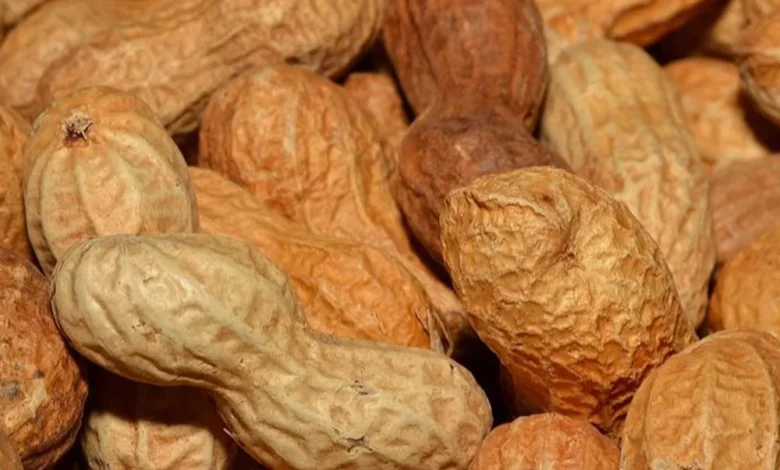
As we get older, the body’s nutritional needs begin to change. Heart health, muscle strength, blood sugar balance, and brain function all require more attention after the age of 60. While many people turn to expensive supplements, one simple and affordable food is often overlooked: peanuts.
When eaten in moderation, peanuts can provide several important health benefits for older adults.
They contain healthy fats that may help support cardiovascular health and reduce harmful cholesterol levels. Peanuts are also rich in magnesium, which helps maintain normal blood pressure and proper muscle function.
For brain health, peanuts provide vitamin E and niacin, nutrients linked to cognitive support and protection against oxidative stress. Their combination of protein, fiber, and healthy fats can also help stabilize blood sugar levels and keep you feeling full longer.
Because muscle loss naturally increases with age, the plant-based protein found in peanuts may help support muscle maintenance and strength. They also contain minerals like phosphorus and magnesium that contribute to bone health.
Experts recommend choosing unsalted peanuts and keeping portions moderate — about one small handful per day. Natural peanut butter without added sugar or oils can also be a healthy option.
Sometimes, healthy aging starts with simple daily habits… and even a handful of peanuts can make a difference.